%2Ffit-in%2F250x250%2Fguide_websites%2F7174%2Fimages%2F1747957269156img_7048.jpg&w=1200&q=100)
/users/abaa6c91-968f-484f-bf62-cc7b1b81aa8c/ratecard/3.jpg)
%2F300x300%2Fusers%2Fabaa6c91-968f-484f-bf62-cc7b1b81aa8c%2Fratecard%2F3.jpg&w=256&q=75)
%2F300x300%2Fusers%2Fabaa6c91-968f-484f-bf62-cc7b1b81aa8c%2Fimages%2Fsuccessful-fishing-trip-alabama-2668.jpg&w=256&q=75)
%2F300x300%2Fusers%2Fabaa6c91-968f-484f-bf62-cc7b1b81aa8c%2Fimages%2Ffishing-fun-gulf-shores-2651.jpg&w=256&q=75)
%2F300x300%2Fusers%2Fabaa6c91-968f-484f-bf62-cc7b1b81aa8c%2Fimages%2Fspanish-mackerel-gulf-shores-al-5327.png&w=256&q=75)
%2F300x300%2Fusers%2Fabaa6c91-968f-484f-bf62-cc7b1b81aa8c%2Fimages%2Fintrepid-anglers-gulf-shores-fishing-4072.png&w=256&q=75)
%2F300x300%2Fusers%2Fabaa6c91-968f-484f-bf62-cc7b1b81aa8c%2Fimages%2Fgulf-shores-al-fishing-adventure-5048.png&w=256&q=75)
%2F300x300%2Fusers%2Fabaa6c91-968f-484f-bf62-cc7b1b81aa8c%2Fimages%2Ffishing-fort-morgan-marina-2742.png&w=256&q=75)
%2F300x300%2Fusers%2Fabaa6c91-968f-484f-bf62-cc7b1b81aa8c%2Fimages%2Fdeep-sea-fishing-fort-morgan-2962.png&w=256&q=75)
%2F300x300%2Fusers%2Fabaa6c91-968f-484f-bf62-cc7b1b81aa8c%2Fimages%2Freeling_catch_day_931637.png&w=256&q=75)
%2F300x300%2Fusers%2Fabaa6c91-968f-484f-bf62-cc7b1b81aa8c%2Fimages%2Fpeaceful_day_lake_nice_319522.png&w=256&q=75)
%2F300x300%2Fusers%2Fabaa6c91-968f-484f-bf62-cc7b1b81aa8c%2Fimages%2Fimpressive-catch-alabama-2612.jpg&w=256&q=75)
Gulf Shores 10-Hour Offshore Fishing Adventure
 Gulf Shores
What you will be catching:
 Atlantic Bonito
 King Mackerel
 Red Snapper
 Spanish Mackerel
 Yellowtail Amberjack
- This 10-hour deep drop charter with In Too Deep takes you up to 60 miles into the Gulf of Mexico, targeting some of the best offshore species Alabama waters have to offer. You'll be fishing productive deep-water reefs for Red Snapper, Greater Amberjack, Triggerfish, King Mackerel, and Atlantic Bonito depending on what's running. The boat handles up to 6 anglers and comes loaded with quality bottom-fishing gear and electronics that work for everyone from first-timers to seasoned fishermen. Your trip covers fishing license, bait, tackle, and ice. The extended time on the water means you can really work the prime spots and maximize your chances at filling the cooler. Just remember the deckhand works for tips.
Trip Pricing and Availabilities:
Trip pricing information is temporarily unavailable.
Deep Drop Offshore Charter - Gulf Shores Alabama
Looking for the real deal when it comes to Gulf Shores offshore fishing? In Too Deep Charters runs a full-day deep drop adventure that'll take you 60 miles out into the Gulf of Mexico where the big fish live. This isn't your typical half-day trip - we're talking 10 solid hours on the water, hitting the deep structures and reefs that most boats never reach. Captain and crew know these waters like the back of their hand, and they'll put you on fish that'll have your arms burning and your drag screaming. Perfect for groups up to 6 anglers, whether you're a seasoned pro or picking up a rod for the first time.
What to Expect on the Water
Your day starts early - we're talking pre-dawn departure to maximize fishing time and beat the afternoon chop. The ride out takes about 90 minutes, giving you time to get your sea legs and watch the sunrise paint the Gulf. Once we hit the productive zones, it's game on. The boat's rigged with top-shelf electronics and bottom fishing gear that can handle anything from schoolie snappers to bull amberjacks. Your fishing license, bait, tackle, and ice are all covered in the rate, so you just need to show up ready to fish. Fair warning though - bring some cash for the deckhand who works his tail off all day baiting hooks, fighting fish, and keeping the deck clean. These guys work for tips and they earn every dollar.
Deep Drop Techniques & Gear
Deep drop fishing is a whole different animal than shallow water angling. We're working structure in 150-300 feet of water, using heavy conventional reels spooled with braided line and enough weight to get down fast. The key is reading the electronics, finding the fish on the bottom, and dropping your bait right in their face. Electric reels make the job easier when you're cranking fish up from 200+ feet, but plenty of trophy fish get landed on manual gear too. The captain marks productive spots with GPS and rotates through different areas based on tide, current, and what the fish are telling us. Some days they want cut bait on the bottom, other days they're suspended and hitting live offerings. That's where experience pays off - knowing when to adjust and where to move.
Target Species You'll Hook
Red Snapper are the crown jewel of Gulf fishing, and these deep reefs hold some absolute tanks. During open season, expect fish in the 8-15 pound range with occasional giants pushing 20+. Snappers are smart and structure-oriented, so precise boat positioning and fresh bait are key. They fight hard on the way up, and nothing beats fresh snapper on the table that night.
Greater Amberjack are the bullies of the reef, and they'll test your tackle and your stamina. These bruisers average 20-40 pounds but can easily double that size in deeper water. AJs are aggressive feeders that hit hard and make blistering runs toward structure. They're available year-round but peak in spring and fall when they're fattening up. Fighting one from 200+ feet down is a workout you won't forget.
King Mackerel show up when conditions are right, usually relating to temperature breaks and baitfish schools. These speedsters average 10-25 pounds but can reach 40+ pounds in offshore waters. Kings are popular for their smoking runs and acrobatic jumps, plus they make excellent table fare when prepared right. They're most active during warmer months when the water temperature hits their sweet spot.
Spanish Mackerel are smaller but incredibly fun on light tackle, typically running 2-5 pounds with occasional fish pushing 8 pounds. They school up around structure and are aggressive feeders with razor-sharp teeth. Spanish mackerel are great for beginners because they bite readily and fight above their weight class. They're also fantastic eating when iced immediately.
Atlantic Bonito are the speed demons of the Gulf, averaging 3-8 pounds but making up for size with pure athleticism. These fish are built for speed and will make multiple screaming runs before coming to the boat. Bonito are seasonal visitors that follow baitfish migrations, and when they're around, the action can be non-stop. They're prized by anglers who appreciate their fighting ability over their table value.
Time to Book Your Spot
This deep drop charter represents serious value for serious anglers who want to fish where the big ones live. Ten hours on the water with a crew that knows how to find fish and put you on them consistently. The Gulf of Mexico's deep reefs are some of the most productive fishing grounds in the country, and In Too Deep Charters has the experience and equipment to make the most of every trip. Whether you're after a cooler full of dinner or that trophy photo, this is the charter that delivers. Don't sleep on booking - the best dates fill up fast, especially during peak seasons when the snappers are biting and the amberjacks are thick on the reefs.
Learn more about the species
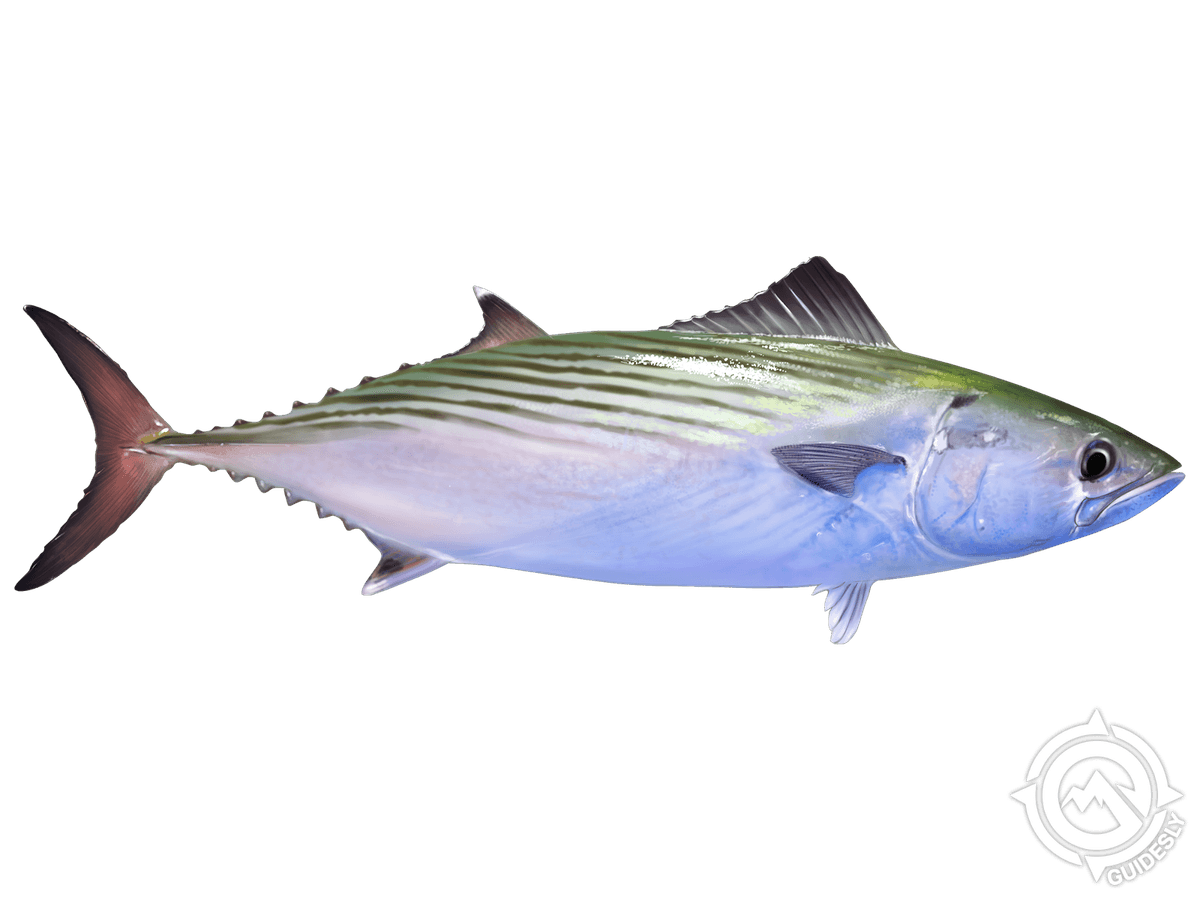
Atlantic Bonito
Atlantic Bonito are like mini-tunas - silver bullets with dark stripes that can hit 40 mph when they're running. Most weigh 3-8 pounds and travel in large schools, feeding aggressively near the surface. They're more common along the Atlantic side but occasionally show up in Gulf waters during cooler months. These fish are pure action - they'll hit almost anything when they're feeding, often jumping clear of the water. While they're not great table fare here in the States, they're fantastic sport on light tackle. When you find birds working over breaking fish, that's usually bonito tearing through baitfish. Best tip: troll fast-moving lures or cast metal jigs into the feeding schools. They'll take just about anything when they're up and active, but work quickly - schools move fast.
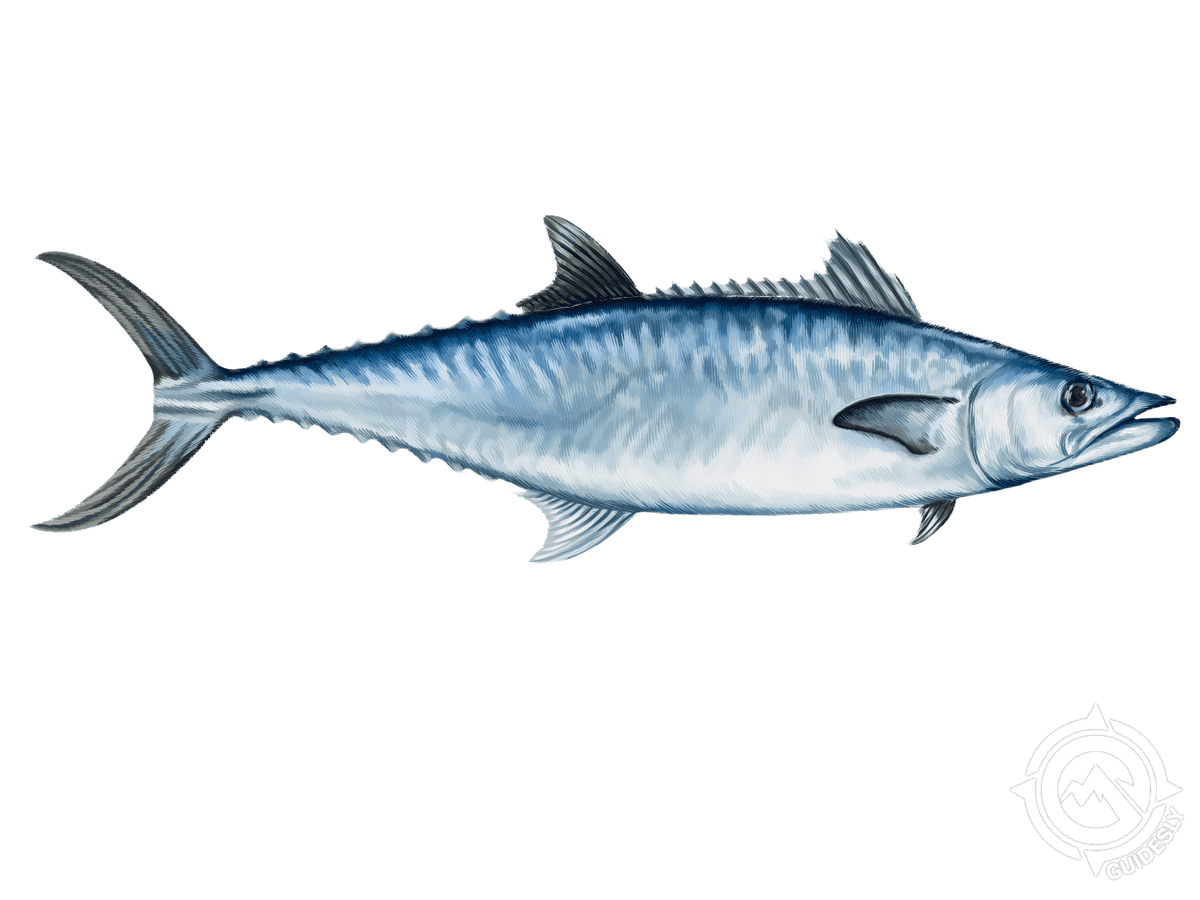
King Mackerel
King Mackerel are the big brothers of the mackerel family - most range 10-30 pounds, but we've boated some pushing 50+ pounds. They patrol open water from 40-150 feet, often following temperature breaks and current edges where baitfish concentrate. Spring through fall is prime time when they're chasing schools of menhaden and blue runners. These fish are lightning fast, making blistering runs that can strip 200 yards of line in seconds. The fight is pure adrenaline. Meat is good on smaller kings, though it's oily and rich. Here's the key: always use a wire leader and rig two hooks - one in the bait's nose, another trailing behind. Kings often hit the tail of live bait first, and that second hook is your insurance policy for a solid hookup.
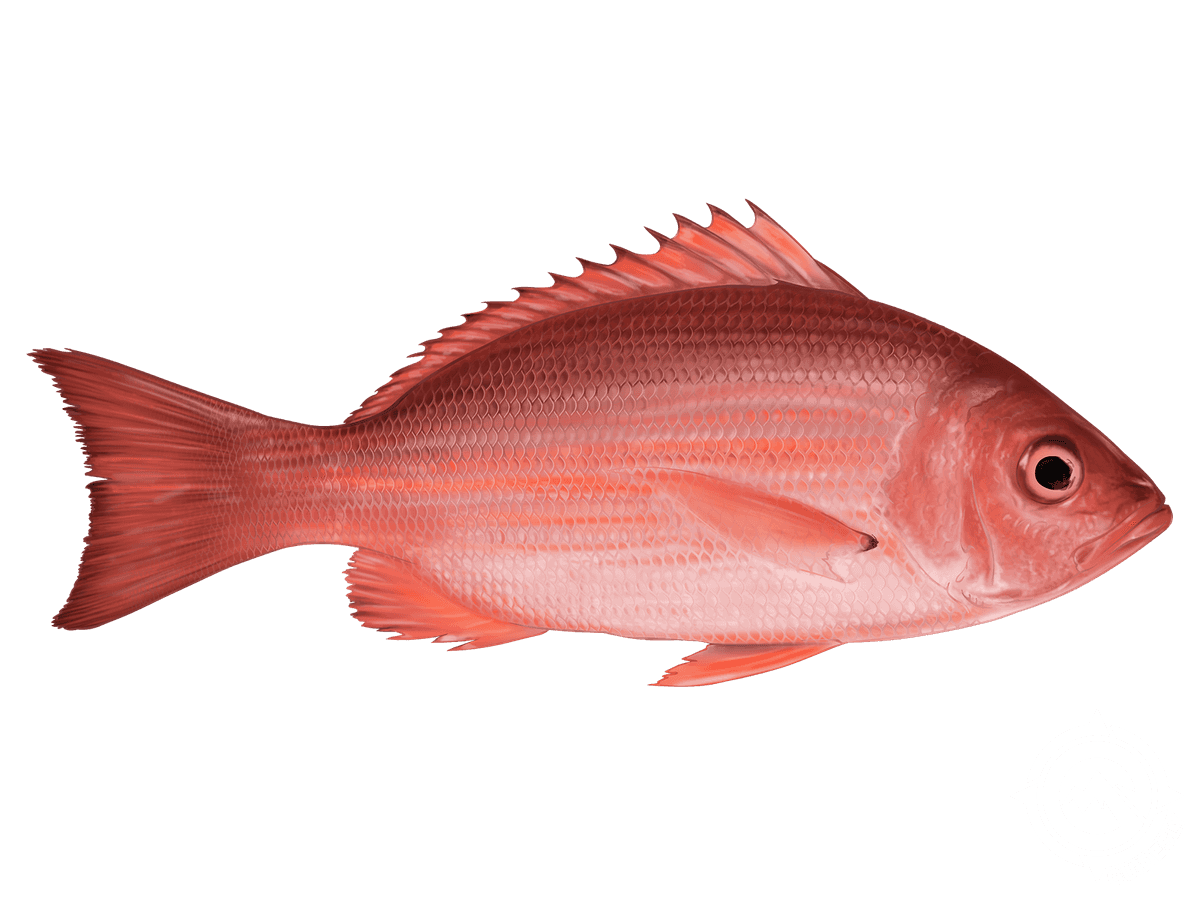
Red Snapper
Red Snapper are the crown jewel of Gulf bottom fishing. These beautiful red fish typically run 3-8 pounds, though we regularly see 10-15 pounders on the deeper reefs. They live around hard bottom, wrecks, and artificial reefs in 60-200 feet of water, holding tight to structure during the day. Season runs June through July, and they fight harder than you'd expect - making strong runs straight down to cover. The meat is absolutely top-shelf, sweet and firm with that classic snapper flavor everyone loves. They're smart fish with great eyesight, so we use lighter leaders and keep the boat quiet. Pro tip: when your bait hits bottom, reel up just a few cranks. Snapper often suspend 5-10 feet off the structure, and that's the sweet spot where the bigger ones feed.
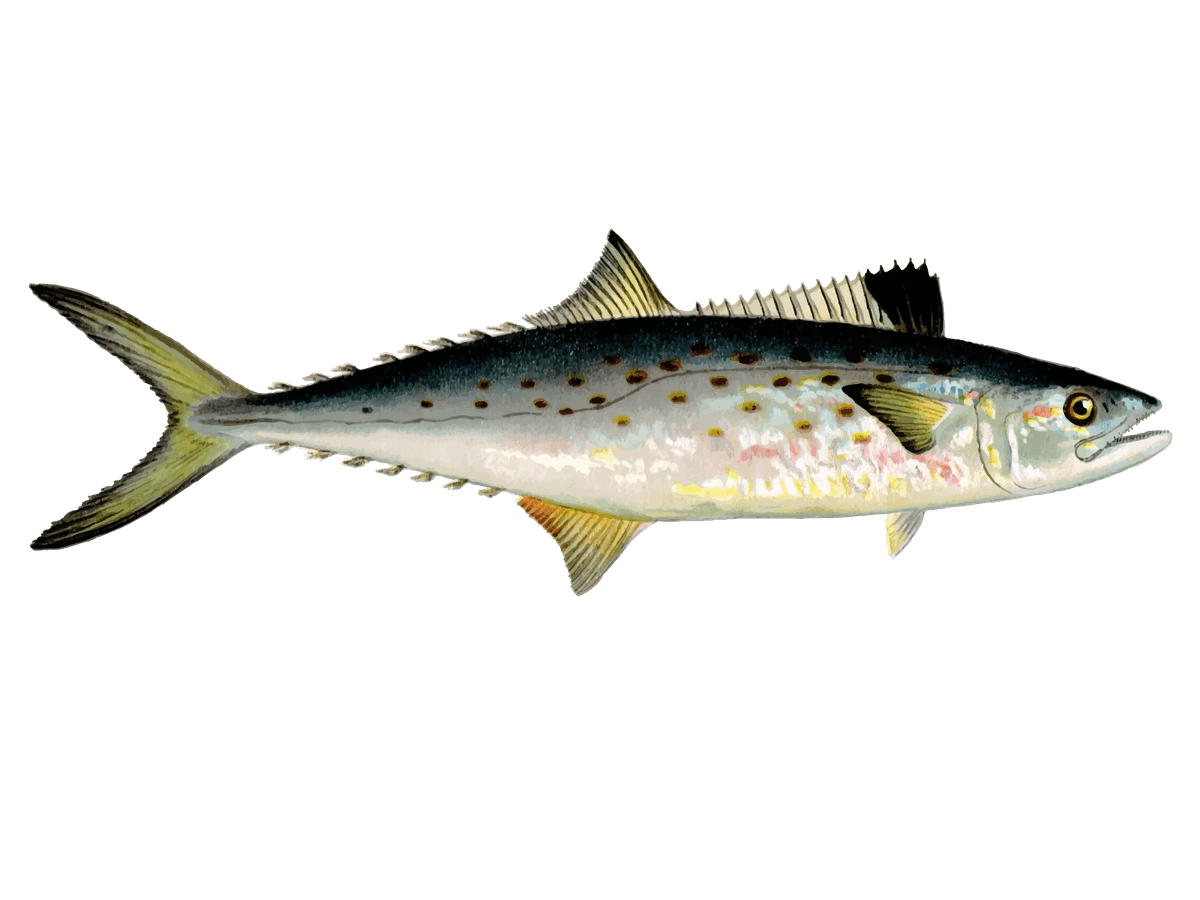
Spanish Mackerel
Spanish Mackerel are speed demons that run in big schools, usually weighing 1-3 pounds with beautiful yellow spots along silver sides. They cruise near the surface in open water, often around 20-60 feet deep, following baitfish. Spring through fall they're active here, especially when water temps hit the 70s. These fish are pure fun on light tackle - they hit fast, jump, and make screaming runs that'll test your drag. The meat is rich and oily, perfect for grilling or smoking. They're not picky eaters but prefer moving baits. Watch for diving birds - that's usually where the schools are feeding. Quick tip: use a wire leader or they'll cut you off with those razor teeth. Cast ahead of a moving school rather than right into it, and retrieve fast to trigger their aggressive strike.
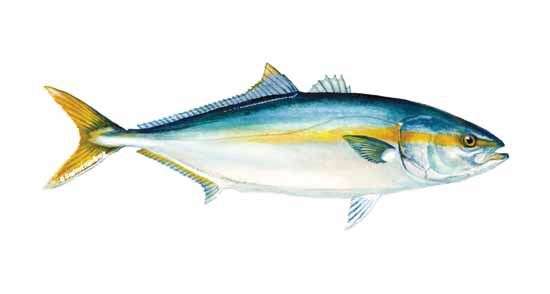
Yellowtail Amberjack
Yellowtail Amberjack are built for speed and power - most run 15-25 pounds, but we've seen some push 40+ pounds out here. They cruise rocky reefs and structure around 100-200 feet deep, often hanging near the bottom but willing to chase bait up. These fish hit hard and make long runs, testing your drag and endurance. The meat is excellent, especially smaller fish - clean white flesh that grills beautifully. They're year-round residents, but spring and fall seem most productive when they're actively feeding. Here's a tip: when you hook one, keep steady pressure but don't horse it. Let it make its initial run, then work it up slowly. If you try to muscle a big yellowtail too quickly, it'll dive straight back to the rocks and cut you off.
About the Angler (Center console)
%2F%2Fusers%2Fabaa6c91-968f-484f-bf62-cc7b1b81aa8c%2Fvehicle_picture%2Ftpnyboat.jpeg&w=1200&q=75)
Vehicle Guest Capacity: 6
Manufacturer Name: Mercury
Maximum Cruising Speed: 45
Number of Engines: 2
Horsepower per Engine: 200